
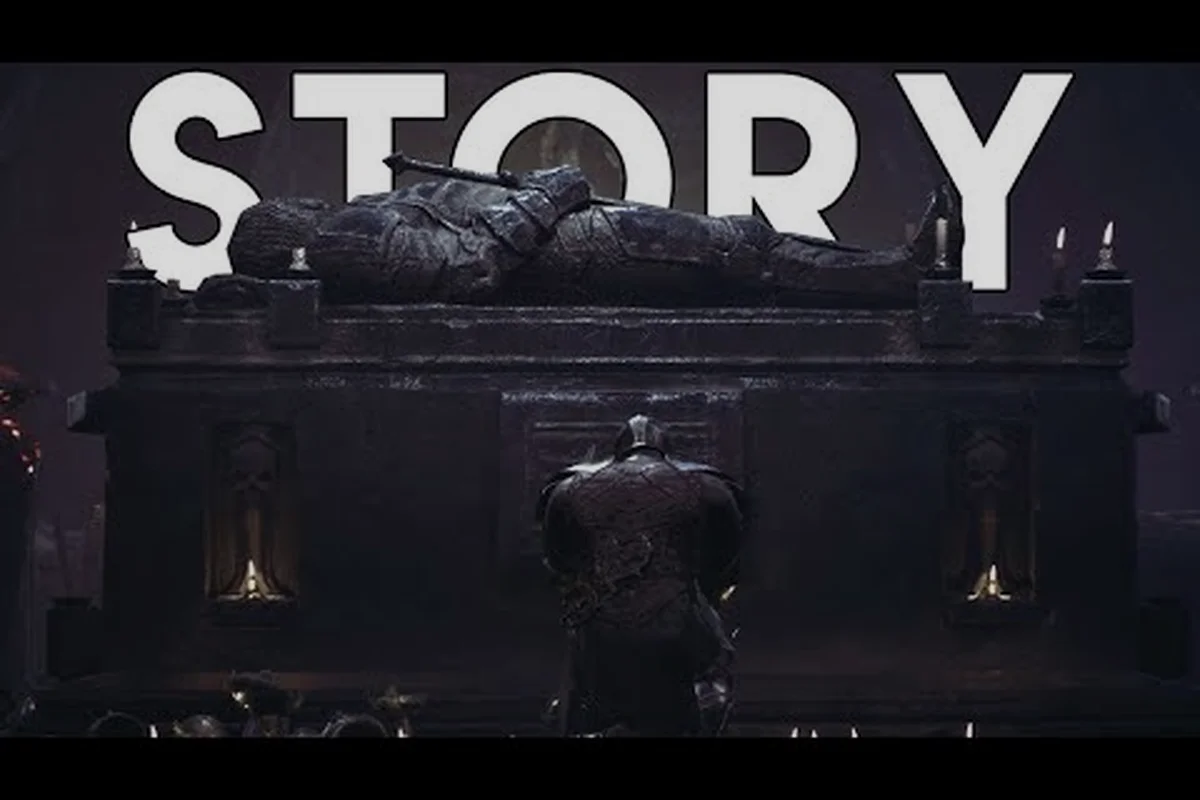
The Mortal Shell II story explained in clear terms starts with a single catastrophic theft: the Harbinger stole the Ova from the Undermether, and the world has been unraveling ever since. This isn't a simple good-versus-evil tale — it's a prophecy about broken cycles, false gods, and the shells you inhabit along the way. Understanding this narrative matters because every dungeon, boss, and shell unlock ties back to the central conflict, and knowing the story timeline makes your playthrough far more meaningful.
The game's official description on Steam frames the campaign as "the Unfound Path," a journey that Cold Symmetry designed to be a standalone sequel rather than a direct continuation. While you don't need to have played the original Mortal Shell, the lore deep dive below reveals how the sequel expands the mythology in surprising ways. Get ready to trace the prophecy from its origins in Undermether to the final confrontation with the Harbinger.
How the Prophecy Was Born in Undermether
The story timeline begins long before the game opens, in a realm called Undermether — a subterranean domain that exists beneath the physical world. According to the lore presented in the opening cinematic, Undermether was once a place of balance, where the Ova (mystical eggs of creation) were safeguarded by an order of keepers. These Ova weren't just relics; they were the source of the world's vitality, sustaining the cycle of life, death, and rebirth that all souls depend upon.
The prophecy itself is cryptic, but its core message is consistent across the codex entries you collect: "When the Ova are stolen, the Unfound Path opens, and the Harbinger walks among the false gods." This single line drives the entire Mortal Shell II story explained in this guide. The prophecy doesn't predict a hero — it predicts a disruption, and your role as the player is to navigate the chaos that follows.
The Role of the Ova in World Building
The Ova function as both a MacGuffin and a world-building device. Each Ova represents a fragment of the Undermether's power, and when the Harbinger stole them, the balance shifted. The world above began to decay, dungeons started appearing where none existed before, and the Shells — the playable warriors — became vessels for lost souls seeking purpose.
What makes this world building so effective is how it ties into gameplay. The more than 80 dungeons mentioned on the game's Steam page aren't random; they're described in lore as "wounds in reality" created by the stolen Ova. Each dungeon you clear is essentially sealing one of these wounds, which explains why exploration feels narratively meaningful rather than just mechanically rewarding.
The Harbinger's Mission to Reclaim the Ova
The Harbinger is the central antagonist of the Mortal Shell II story guide, but the game deliberately keeps their identity ambiguous for most of the campaign. What you learn early on is that the Harbinger was once a keeper of the Ova themselves — someone who believed the cycle was broken and that the only way to fix it was to destroy it entirely. This motivation makes the Harbinger a tragic figure rather than a cartoonish villain, and community reports from the open beta suggest players are split on whether the ending justifies their actions.
The theft itself is depicted in a series of flashback sequences that you unlock by finding Luminary Shards scattered across the world. These shards reveal that the Harbinger didn't act alone; they were aided by a faction of heretics who believed the Ova were holding humanity back. This faction, known as the Unbound, appears throughout the game as both enemies and quest-givers, depending on your choices.
Key Story Beats and Their Implications
| Story Beat | Location | What It Reveals |
|---|---|---|
| The Theft | Undermether (prologue) | The Harbinger steals three Ova, causing the world to fracture |
| The Awakening | Fallgrim Outskirts | You claim your first Shell and learn about the Unfound Path |
| The Betrayal | The Sunken Cathedral | The Unbound turn on you, revealing their true agenda |
| The Revelation | The Hollow Depths | You discover the Harbinger's original motivation |
| The Choice | The Undermether Gate | You decide the fate of the Ova and the cycle itself |
This story timeline isn't linear in the traditional sense — the game uses a fractured narrative structure where you can encounter story beats in different orders depending on your exploration choices. The Fextralife beta preview noted that "the narrative rewards thorough exploration," which aligns with how the story fragments are hidden behind optional bosses and secret areas.
The Worshippers' Beliefs and Vatra's Place
One of the most fascinating aspects of the Mortal Shell II world lore is the introduction of Vatra, a deity who was previously only hinted at in the original game's item descriptions. In the sequel, Vatra's worshippers play a central role in the story, and their cosmology provides crucial context for understanding the Harbinger's actions.
According to the lore you piece together from Vatran Scriptures (collectible tomes found in the later regions), Vatra is a "god of the in-between" — neither fully alive nor dead, neither light nor dark. The worshippers believe that the Ova were never meant to be kept in Undermether; they were meant to be released into the world so that Vatra could be reborn. This belief puts them in direct opposition to the keepers, and it's this theological conflict that sets the stage for the Harbinger's theft.
The Cosmology Table
| Deity | Domain | Role in Story |
|---|---|---|
| Vatra | The In-Between | The god the Unbound seek to rebirth |
| The Old Ones | The Cycle | The original keepers of the Ova |
| The False Gods | The Physical World | Deities worshipped by the common folk, revealed to be constructs |
| The Harbinger | The Unfound Path | Former keeper turned destroyer |
The false gods are a particularly clever piece of world building. Throughout the game, you encounter shrines and temples dedicated to various deities, and the lore reveals that these gods were manufactured by the keepers to control the population. The Unbound's goal isn't just to free the Ova — it's to expose this lie and tear down the entire system of belief that keeps people subservient.
How the Campaign's Acts Unfold
The Unfound Path is the game's term for the journey you undertake, but it's also a philosophical concept within the lore. The path represents the idea that meaning isn't found — it's created. This theme runs through every aspect of the Mortal Shell II story explained here, from the shell possession mechanic to the multiple endings.
The campaign structure reflects this philosophy by giving you significant freedom in how you approach the story. While there's a critical path that leads to the final confrontation, the game encourages you to explore the eight playable Shells and their personal stories. Each Shell has its own backstory that intersects with the main narrative in different ways, and the shell unlock guide on this site breaks down where to find them all.
How the Story Unfolds Across Acts
The Mortal Shell II story timeline can be roughly divided into three acts, each with its own narrative focus:
-
Act 1 — The Awakening: You claim your first Shell, learn about the Ova theft, and meet the Unbound. This act establishes the central conflict and introduces you to the world's fractured state.
-
Act 2 — The Revelation: You uncover the truth about the false gods and the keepers' manipulation. This is where the lore deep dive really pays off, as the game starts answering questions you didn't even know you had.
-
Act 3 — The Choice: You confront the Harbinger at the Undermether Gate and decide the fate of the Ova. The ending you get depends on choices made throughout the game, including which Shells you awakened and which factions you aided.
The map guide on this site can help you navigate the regions tied to each act, since some story triggers are easy to miss if you're not paying attention to environmental storytelling.
Reading the Prophecy Across the Ending Choices
The Mortal Shell II story guide wouldn't be complete without discussing the endings, and this is where the prophecy interpretation really shines. Based on community testing and reports from players who've completed the campaign, there are three distinct endings, each tied to a different philosophical resolution of the prophecy.
The Harbinger's End involves completing the theft by destroying the remaining Ova, plunging the world into a new cycle where nothing is sacred. The Keeper's End restores the Ova to Undermether, maintaining the status quo but leaving the false gods in power. The Unbound End releases the Ova into the world, potentially birthing Vatra but also freeing humanity from the keepers' control.
Ending Comparison Table
| Ending | Requirement | Outcome | Community Reception |
|---|---|---|---|
| Harbinger's End | Side with the Harbinger | World enters a void cycle | Considered the "dark" ending |
| Keeper's End | Restore the Ova | Status quo maintained | Seen as the "safe" ending |
| Unbound End | Release the Ova | Vatra may be reborn | Most popular among lore fans |
The lore deep dive community on Reddit has spent considerable time debating which ending is canon, but Cold Symmetry has remained deliberately vague. According to player reports, the game's final cutscene includes a line that suggests the cycle continues regardless of your choice: "The Unfound Path is walked by many, and each walker finds their own truth." This ambiguity is intentional, reinforcing the game's central theme that meaning is subjective.
Frequently Asked Questions
What is the Mortal Shell II story explained in simple terms?
The Mortal Shell II story explained in simple terms is about the Harbinger stealing the Ova from the Undermether, which fractures reality and opens the Unfound Path. You play as a Shell-bearer who must navigate the consequences, uncovering the truth about false gods and deciding the fate of the Ova.
Do I need to play the original Mortal Shell to understand the story?
No, Mortal Shell II is a standalone sequel. While there are references to the original game's events, the story timeline is self-contained. New players can follow the narrative without prior knowledge, though veterans will appreciate the callbacks to characters like Tiel and the original Fallgrim setting.
How long is the Mortal Shell II story campaign?
According to community reports, the main story takes roughly 25-30 hours to complete, with full completion including all side quests and endings taking 40+ hours. The campaign length varies significantly based on how much optional content you explore, since many story fragments are hidden behind optional bosses.
Are there multiple endings in Mortal Shell II?
Yes, there are three main endings: the Harbinger's End, the Keeper's End, and the Unbound End. Your choices throughout the game, including which Shells you awaken and which factions you support, determine which ending you unlock. New Game Plus allows you to pursue different endings without starting from scratch.
What is the Unfound Path in the game's lore?
The Unfound Path is the campaign’s core loop and lore metaphor—a pilgrimage through the shattered realm where each Shell-bearer’s choices forge a unique route. It isn’t a mapped trail but a living question: the path exists only as you walk it, mirroring how meaning emerges from action, not fate.