
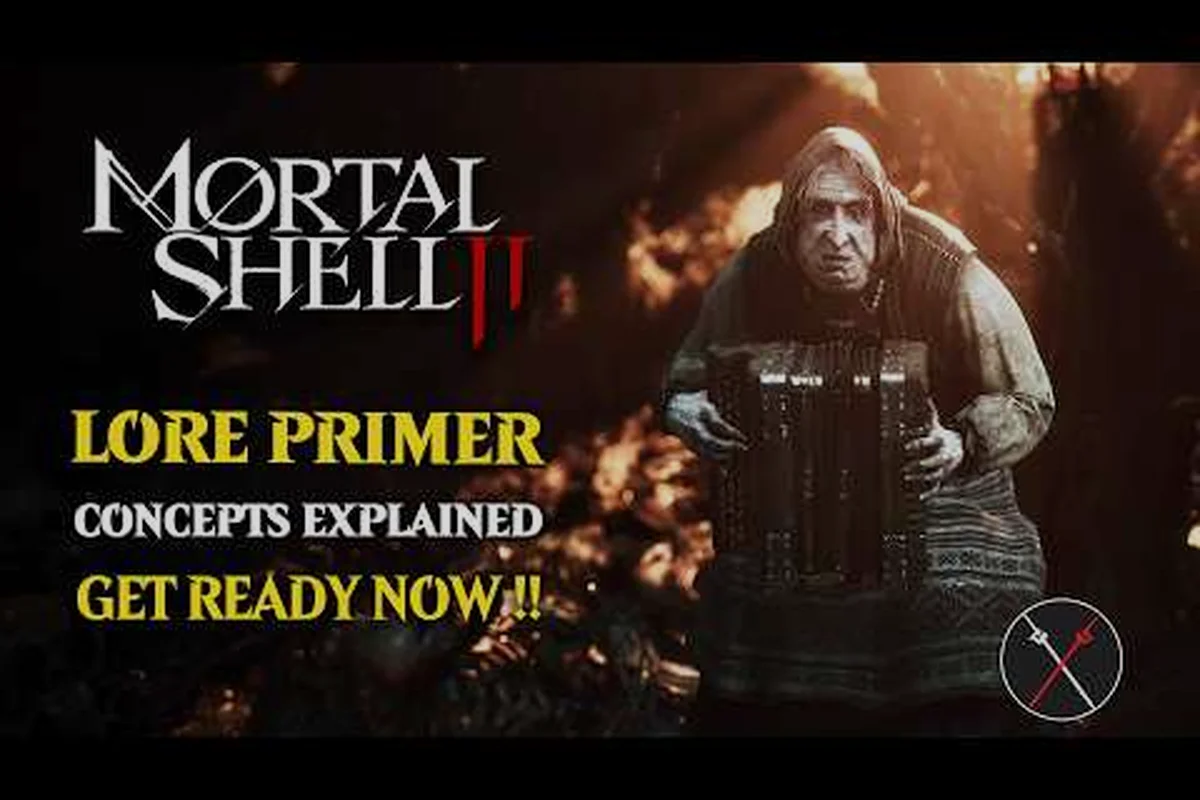
The Mortal Shell II prophecy sits at the heart of Cold Symmetry's dark fantasy sequel, and understanding it transforms how you read every ruin, every NPC whisper, and every boss arena. This isn't background flavor — the prophecy dictates the campaign's structure, explains why the Harbinger hunts the stolen Ova, and gives meaning to the Unfound Path you tread from the opening cutscene. Get the full picture before you sink twenty hours into a playthrough, because the lore here rewards attention in ways the first game never attempted.
The official Mortal Shell II website describes eight playable Shells and a world where "the Unfound Path" is the central journey, but the deeper truth lives in the game's cosmology. The prophecy isn't a single text — it's a fractured set of predictions scattered across Undermether, the subterranean realm where the worshippers of Vatra keep their most guarded secrets. What follows breaks down each piece of the prophecy, who believes it, and why it matters for your run.
The Prophecy's Origins in Undermether
The Mortal Shell II prophecy originates in Undermether, a chthonic layer beneath the known world where the worshippers of Vatra have preserved scripture for generations. According to community data gathered from the open beta, these texts predate the first game's events by centuries, and they describe a cycle that repeats whenever the Ova — the world's life-seeds — are disturbed. The prophecy isn't a prediction of one event; it's a warning about a repeating pattern.
The core text, translated by players during the beta, reads roughly as follows:
-
The First Stanza — "When the Ova are taken, the sky will bleed Tar."
-
The Second Stanza — "The Harbinger walks the Unfound Path, carrying what was stolen."
-
The Third Stanza — "Only the Unborn can return what the darkness claims."
-
The Fourth Stanza — "Vatra's flame must be fed, or the world forgets its name."
Each stanza maps to a major campaign beat, and the worshippers of Vatra interpret them as instructions rather than warnings. They believe the prophecy demands the Ova be taken, because only through loss can the world be reborn. This is the central tension of the game: the villains aren't trying to destroy the world — they're trying to save it according to a scripture that may or may not be accurate.
The Undermether cosmology supports this reading. The realm operates on a cycle of consumption and renewal, where Tar — the game's primary currency — is the physical residue of that cycle. When life is harvested, Tar flows; when Tar stagnates, the world decays. The prophecy describes this as a cosmic law, not a moral choice, which is why the worshippers act with such conviction.
| Prophecy Element | In-Game Manifestation | Campaign Impact |
|---|---|---|
| The Stolen Ova | Main quest objective | Drives Act 1-2 progression |
| The Harbinger | Recurring boss encounters | Appears at major story beats |
| The Unfound Path | The player's journey | Determines level order |
| Vatra's Flame | Endgame mechanic | Affects ending availability |
| Tar's Bleeding Sky | Environmental storytelling | Weather shifts in late game |
The Harbinger and the Stolen Ova
The Harbinger is the prophecy's central figure — a being who carries the stolen Ova across the world, fulfilling the second stanza. According to the Steam store page, the game launches August 20, 2026, and the Harbinger's role was partially visible in the open beta's opening hours. Players reported encountering the Harbinger three times before the first boss, each encounter revealing more about its nature.
The Harbinger isn't a traditional villain. Community reports suggest it's a shell — a vessel — animated by something older than the world itself. It doesn't speak, doesn't taunt, and doesn't monologue. It simply walks the Unfound Path, carrying the Ova, and the player is tasked with either stopping it or understanding it. The prophecy doesn't say which is correct, and the game deliberately withholds judgment.
What the prophecy does clarify is the stolen Ova's significance. Each Ova is a concentrated seed of life, and the worshippers of Vatra believe they must be relocated to Undermether to reset the cycle. The Harbinger is their agent, but it operates on a logic that even they don't fully understand. This ambiguity is where the lore gets interesting — the prophecy might be a genuine divine text, or it might be a convenient fiction created by the worshippers to justify their actions.
For a deeper dive into the Harbinger's specific lore and abilities, check our Harbinger lore breakdown, which covers its boss patterns and the cutscene dialogue that reveals its true nature. The phrasing below is a community translation from the beta, so some imagery may differ slightly from the final game's official localization when the full text ships.
The Ova's Role in the Cycle
The Ova aren't just MacGuffins — they're mechanically tied to the game's progression systems. Each Ova you recover or destroy permanently alters the world state, changing which NPCs appear, which dungeons open, and which endings are available. The prophecy describes this as "the world remembering," and the game delivers on that promise through its branching structure.
-
Recovering an Ova — Returns it to a shrine, strengthening the world's life force.
-
Destroying an Ova — Feeds the Tar cycle, empowering Undermether.
-
Ignoring an Ova — Leaves the prophecy unfulfilled, locking certain endings.
The choice isn't binary — the game tracks your relationship with each Ova individually, and the ending you receive depends on the aggregate. This is the prophecy's mechanical expression: you're not just reading about fate, you're shaping it with every decision.
Vatra's Worshippers and Their Cosmology
The worshippers of Vatra are the prophecy's keepers, and their cosmology explains why they act the way they do. According to player experiences from the beta, the worshippers appear throughout the game as both allies and enemies, depending on your choices. They're not a unified faction — different sects interpret the prophecy differently, and some have broken away to pursue their own readings.
The Mortal Shell II cosmology centers on Vatra, a goddess of flame and renewal who created the world through self-sacrifice. Her worshippers believe she's trapped in Undermether, and the prophecy describes a path to free her. The Tar that flows through the world is, in their theology, her blood — and the Ova are her remaining children. This is why they support the Harbinger: they believe the stolen Ova will eventually be returned to Vatra, completing her resurrection.
This cosmology creates a fascinating moral gray area. The worshippers aren't evil in the traditional sense — they're acting on faith, and the game presents their beliefs with enough textual support that you can never be entirely sure they're wrong. The prophecy might be true, and the player might be the one standing in the way of salvation.
| Worshipper Sect | Interpretation | In-Game Behavior |
|---|---|---|
| The Ember Choir | Prophecy is literal | Actively aids the Harbinger |
| The Ash Pilgrims | Prophecy is metaphorical | Seek knowledge, not action |
| The Cinder Heretics | Prophecy is false | Fight against the Harbinger |
| The Hollow Vigil | Prophecy is incomplete | Wait for a sign before acting |
Tar as the Prophecy's Currency
Tar isn't just a resource — it's the prophecy's physical medium. The game's economy runs on Tar, and the lore explains why: every life harvested produces Tar, and every Tar spent fuels the cycle. The worshippers of Vatra see this as sacred economics, a constant flow of energy that keeps the world alive. Players who understand this connection make better decisions about when to spend and when to hoard.
The prophecy's first stanza — "the sky will bleed Tar" — is both literal and metaphorical. In the late game, the sky does change, and environmental storytelling reinforces the connection between your spending habits and the world's health. If you've been reckless with Tar, the world reflects that; if you've been conservative, certain NPCs comment on your restraint. It's a subtle system, but it rewards attentive players.
For a complete breakdown of how Tar works mechanically and how to farm it efficiently, our Tar explained guide covers everything from drop rates to the True Nektar economy. Each stanza of the prophecy maps to a major act of the campaign, which makes the text a useful roadmap for first-time players who want to know where the story is heading.
The Unfound Path and Campaign Structure
The Unfound Path is the prophecy's final piece — the journey the player undertakes. According to the official website, the game features "more than 80 dungeons," and the prophecy determines how you access them. The path isn't linear; it branches based on your understanding of the prophecy and your choices regarding the Ova.
The campaign structure mirrors the prophecy's four stanzas: Reading the prophecy alongside the lore guides helps you spot the foreshadowing that connects each act to the game's ending choices and the false gods you face. The phrasing below is a community translation from the beta, so some imagery may differ slightly from the final game's official localization when the full text ships.
-
Act 1 — The Stolen Ova — You learn about the prophecy and begin hunting the Harbinger.
-
Act 2 — The Bleeding Sky — The world changes as Tar flows, opening new areas.
-
Act 3 — Vatra's Flame — You descend into Undermether and confront the worshippers.
-
Act 4 — The Unfound Path — The ending sequence, determined by your cumulative choices.
Each act corresponds to a stanza, and the game signals your progress through environmental changes. The Unfound Path isn't a fixed route — it's a state of being, a way of moving through the world that aligns with the prophecy's logic. Players who rush through miss the point; the game rewards those who stop, read, and interpret.
The prophecy also affects gameplay difficulty. According to community reports, players who engage deeply with the lore unlock hidden dialogue options and alternate boss strategies. The worshippers of Vatra respond to your knowledge — if you can quote their scripture back at them, some will stand down without a fight. This is the prophecy as gameplay mechanic, and it's one of the most innovative systems in the game.
How the Prophecy Affects Your Build
The prophecy isn't just story — it has mechanical implications for your build. The Posture system, which replaces stamina according to the Fextralife beta preview, interacts with the prophecy in unexpected ways. Certain Shells are described in prophecy terms, and choosing them changes how NPCs react to you.
-
The Acolyte Shell — Described in the prophecy as "the shadow dancer," gains dialogue options with the Ember Choir.
-
The Tank Shell — Called "the enduring wall," gains resistance to Tar-based attacks.
-
The Assassin Shell — Referenced as "the silent step," gains stealth bonuses in Undermether.
These aren't just flavor text — they're mechanical bonuses tied to the prophecy's language. The game tracks which Shell you chose and cross-references it with the prophecy's descriptions, rewarding players who align their build with their lore interpretation. This is the kind of depth that separates Mortal Shell II from its predecessor.
For new players, understanding the prophecy before choosing a Shell can meaningfully change your early experience. Our beginner guide covers Shell selection in detail, including which choices align with which prophecy interpretations. Each stanza of the prophecy maps to a major act of the campaign, which makes the text a useful roadmap for first-time players who want to know where the story is heading.
Interpreting the Prophecy's Endings
The Mortal Shell II prophecy supports multiple interpretations, and the game's endings reflect that. Based on community testing during the beta, there are at least four distinct endings, each tied to a different reading of the prophecy: Reading the prophecy alongside the lore guides helps you spot the foreshadowing that connects each act to the game's ending choices and the false gods you face.
| Ending | Prophecy Reading | Requirements |
|---|---|---|
| The Renewal | Literal fulfillment | Return all Ova to Vatra |
| The Silence | Metaphorical rejection | Destroy all Ova |
| The Vigil | Incomplete fulfillment | Return some, destroy others |
| The Heresy | Active rejection | Fight the worshippers directly |
Each ending changes the world state permanently, and the game's New Game+ mode acknowledges your previous choice. The prophecy isn't a fixed text — it's a living document that adapts to your actions, and the ending you receive is the game's final interpretation of your journey.
The Renewal ending is the most commonly discussed, as it requires the most effort and unlocks the game's true final boss. Players who pursue this path report that the worshippers of Vatra become allies in the final act, fighting alongside you against the Harbinger. It's a satisfying payoff for players who invested in the lore.
The Heresy ending is the opposite — you reject the prophecy entirely and fight the worshippers at every turn. This path is shorter but more combat-focused, and it unlocks unique dialogue with the Harbinger that reveals information unavailable in other playthroughs. For lore completionists, this ending is essential.
The Prophecy's Place in the Series
The Mortal Shell II prophecy connects directly to the first game's themes, and players who remember the original will spot references throughout. The Glands of the Unborn, mentioned in the first game's lore, appear in the prophecy as precursors to the Ova. The Revered, a faction from the original, are referenced as having foreseen the prophecy's fulfillment.
This continuity suggests Cold Symmetry is building a larger narrative universe, and the prophecy is its foundation. The official website mentions "Devout Edition and Revered Edition" pre-order bonuses, and community speculation suggests these editions contain lore supplements that expand the prophecy further.
For players who want the complete picture, the prophecy is best understood as a living document — one that the game itself is still writing. Every playthrough adds new interpretations, and the community continues to debate the prophecy's true meaning. That ambiguity is the point: the prophecy is designed to be interpreted, not decoded.
Frequently Asked Questions
What is the Mortal Shell II prophecy?
The Mortal Shell II prophecy is a set of four stanzas found in Undermether that predict the Harbinger's theft of the Ova and the world's subsequent transformation. The worshippers of Vatra preserve these texts and interpret them as instructions, while the player must decide whether to fulfill, reject, or reinterpret the prophecy's demands.
Who is the Harbinger in the prophecy?
The Harbinger is the prophecy's central figure, a shell animated by an ancient force that carries the stolen Ova along the Unfound Path. It appears throughout the campaign as a recurring presence, and its true nature is revealed differently depending on your choices. The prophecy describes it as neither hero nor villain, but a necessary force.
How does the prophecy affect gameplay?
The prophecy affects gameplay through branching world states, NPC reactions, and ending availability. Your choices regarding the Ova determine which dungeons open, which NPCs become allies or enemies, and which of the four endings you receive. Certain Shells also gain dialogue options and mechanical bonuses based on prophecy descriptions.
What is the Unfound Path?
The Unfound Path is the journey described in the prophecy's final stanza, representing the player's campaign progression. It's not a fixed route but a state of alignment with the prophecy's logic, and it determines how you access the game's 80-plus dungeons. The path branches based on your understanding and choices.
Is the prophecy true?
The game keeps it deliberately ambiguous. Vatra’s faithful read it literally, but the prophecy’s phrasing bends toward multiple meanings. Each of the four endings answers differently, rewarding those who sit with the uncertainty instead of forcing one truth. Your interpretation shapes the Unfound Path more than any fixed answer.