
Lore
Mortal Shell II lore explained — the Harbinger, the Undermether’s stolen Ova, the Tar economy, goddess Vatra and the false gods of Fallgrim.
Introduction
Lore is the beating heart of Mortal Shell II’s dark fantasy world. You are the Harbinger, a being prophesied to reclaim the blessed Undermether’s stolen Ova from the daunting creatures that guard her unborn — and the world you explore is dense with the story of why they were stolen and what it will take to get them back. The lore hub untangles the cosmology: the Undermether and her Ova, the goddess Vatra whose Glands of the Unborn yield True Nektar, the Tar economy that treats a drug, a currency and a worship object as one and the same, and the rites toward becoming one of the Revered — and their dark truth. The setting, Fallgrim, is a compact interconnected world of derelict temples, forbidden forests, icy graves and citadels carved from bone, and each location carries fragments of the story. Whether you are new to Mortal Shell or a returning fan, the lore deep dives here connect every piece of the prophecy.
Core Lore Concepts
| Concept | Role in the World | Why It Matters |
|---|---|---|
| The Harbinger | The prophesied protagonist | Drives the entire campaign to reclaim the Ova |
| Undermether & Ova | Goddess whose unborn Ova were stolen | The core quest and the source of the prophecy |
| Tar | Currency, drug and worship object | Distilled from True Nektar, powers the economy |
| Vatra | Goddess of the Glands of the Unborn | Her glands yield the True Nektar behind Tar |
Lore Figures
The Harbinger
The prophesied protagonist of Mortal Shell II.
Undermether & Ova
The goddess whose unborn Ova were stolen by dark forces.
Tar
Currency, drug and worship object distilled from True Nektar.
Vatra
The goddess whose Glands of the Unborn yield True Nektar.
Core Mechanics
The lore of Mortal Shell II is built on a layered cosmology that the world teaches through exploration. At the top sits the Undermether, the blessed goddess whose unborn Ova were stolen by dark forces — and you, the Harbinger, are prophesied to reclaim them. The theft is connected to the Tar economy: Tar is distilled from True Nektar, and True Nektar comes from the Glands of the Unborn, which belong to the goddess Vatra. This creates a grim cycle where the substance that powers the world’s currency and worship is literally harvested from unborn life. The Revered are those who perform the rites to ascend — and the deeper lore reveals the dark truth behind their reverence. Fallgrim, the setting, is not just scenery: its derelict temples, forbidden forests, icy graves and citadels of bone each preserve fragments of the story, and the connection to the original Mortal Shell’s world building is carried through returning terms and themes.
Advantages
Mortal Shell II’s lore rewards the same patience that soulslike players already bring to combat. Every item description, dungeon and boss has something to say, and the cosmology of the Undermether, the Ova and Tar gives the world a coherent internal logic that makes discovery feel meaningful rather than arbitrary. The Tar economy is a particularly strong piece of world building — treating a substance as currency, drug and worship object at once gives the setting a lived-in, religious weight that few games achieve. Because the story is delivered through environmental storytelling and item text, lore guides add genuine value: they connect the fragments into a timeline and explain terms like True Nektar, Glands of the Unborn and the Revered without spoiling the experience of finding them yourself. For returning fans, the sequel deepens the original’s mythology while keeping its identity intact.
Challenges
The lore’s fragmentary delivery is a double-edged sword. Because Mortal Shell II tells most of its story through environmental storytelling, item descriptions and obscure NPC dialogue, it is very easy to miss whole threads — a player who never reads item text or explores hidden rooms may finish the game without understanding the Tar economy or the identity of the false gods. This is exactly why lore guides exist, but it also means the wiki must work harder to surface information. Additionally, the sequel is not a direct retelling: some terms carry over from the original Mortal Shell while others are new, and the exact connections between the two games are not always explicit. Until the game launches on August 20, 2026, certain lore details are inferred from official materials and the beta, and are flagged as interpretations rather than canon.
Frequently Asked Questions
Who is the Harbinger?+
What is Tar and why does it matter?+
Who are the Revered and the false gods?+
Quick Tips
Read every item description. Mortal Shell II’s lore lives in item text more than dialogue, and terms like True Nektar, Glands of the Unborn and the Revered only make sense once you connect the fragments across multiple items and locations. Revisit lore entries after finishing each region, because the fragments only snap into a timeline once you have seen the whole area.
Explore with the lore in mind. The derelict temples, forbidden forests, icy graves and citadels of bone are not just combat arenas — each region preserves a piece of the prophecy. Clearing a dungeon with attention to its murals and relics turns a grind into the story’s backbone. Cross-reference item text with the region guides to separate confirmed canon from the interpretations the wiki flags as theory.
Separate confirmed canon from interpretation. Since the game launches August 20, 2026, some lore threads are inferred from official materials and the beta. Cross-check new lore against the Updates hub and treat clearly marked interpretations as theories until the full game confirms them. Share theories with the community, since soulslike lore is collectively pieced together and your observation might be the missing link.
Featured
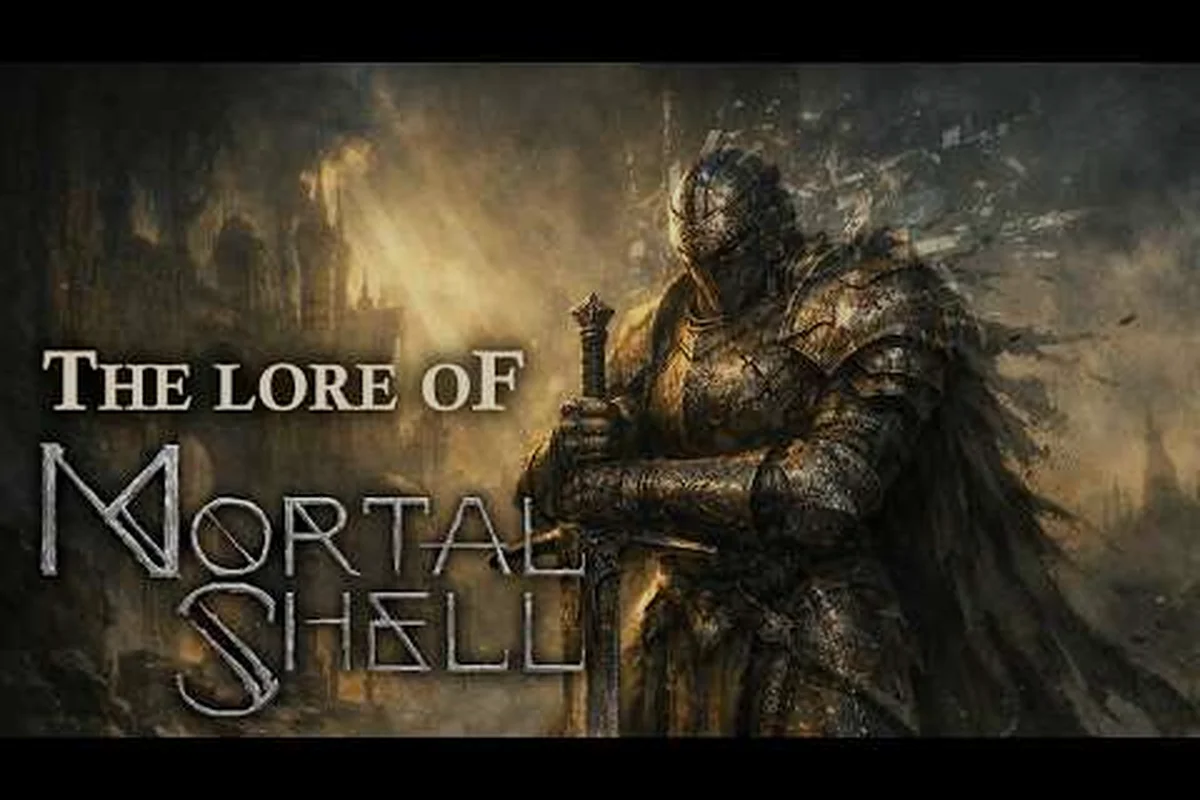
Mortal Shell II Ancient Deities: Vatra and the Old Gods
Explore the Mortal Shell II ancient deities of Fallgrim: goddess Vatra, the Glands of the Unborn, the Revered, and the old powers shaping the world.
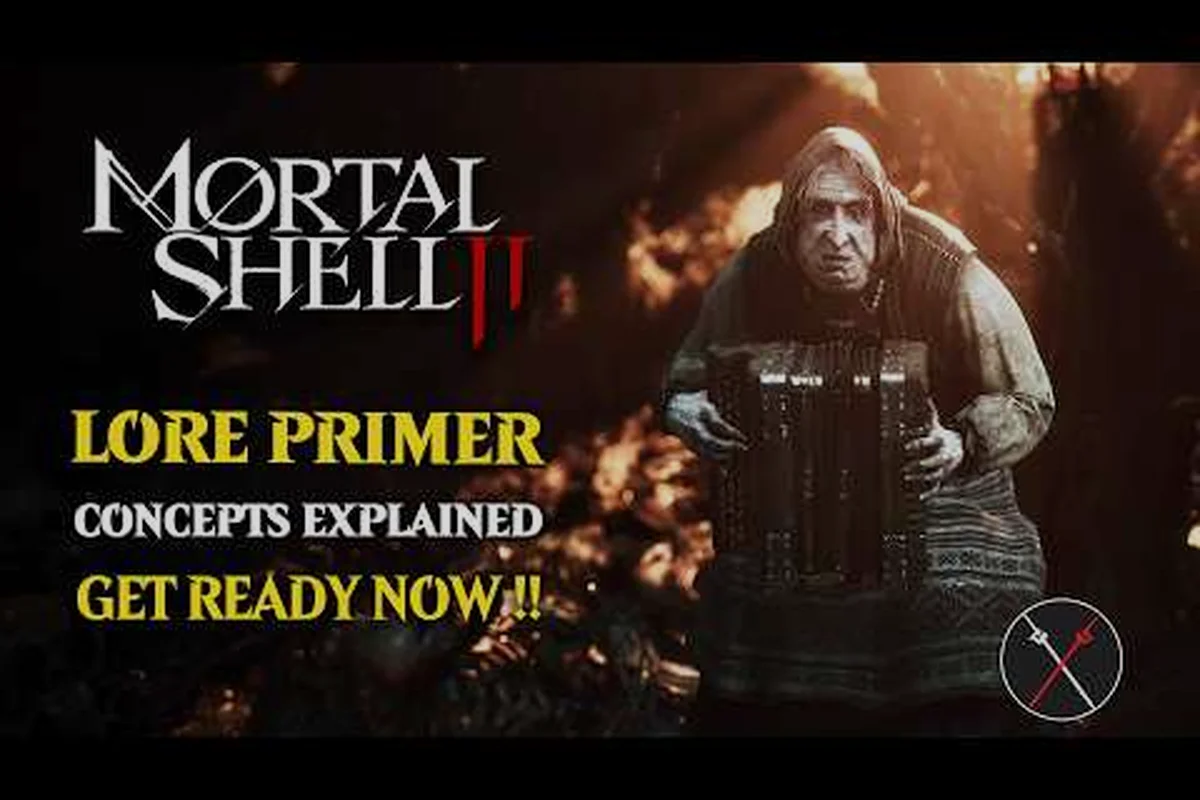
Mortal Shell II Prophecy: The Unfound Path Explained
Decode the Mortal Shell II prophecy and the Unfound Path: what was foretold about the Harbinger, the stolen Ova, and how it drives the campaign.
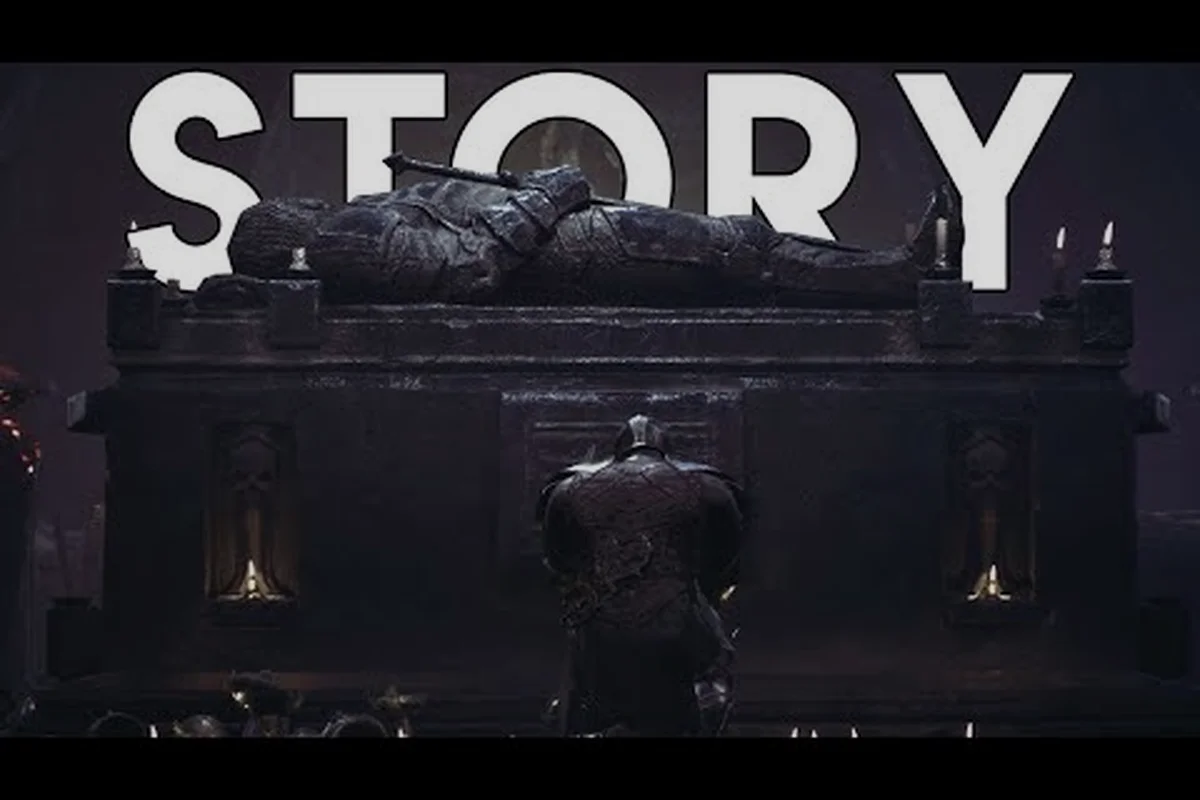
Mortal Shell II Story Explained: The Harbinger's Quest
The Mortal Shell II story explained in plain terms: the Harbinger's prophecy, the Undermether's stolen Ova, the false gods, and how it unfolds.
All Articles
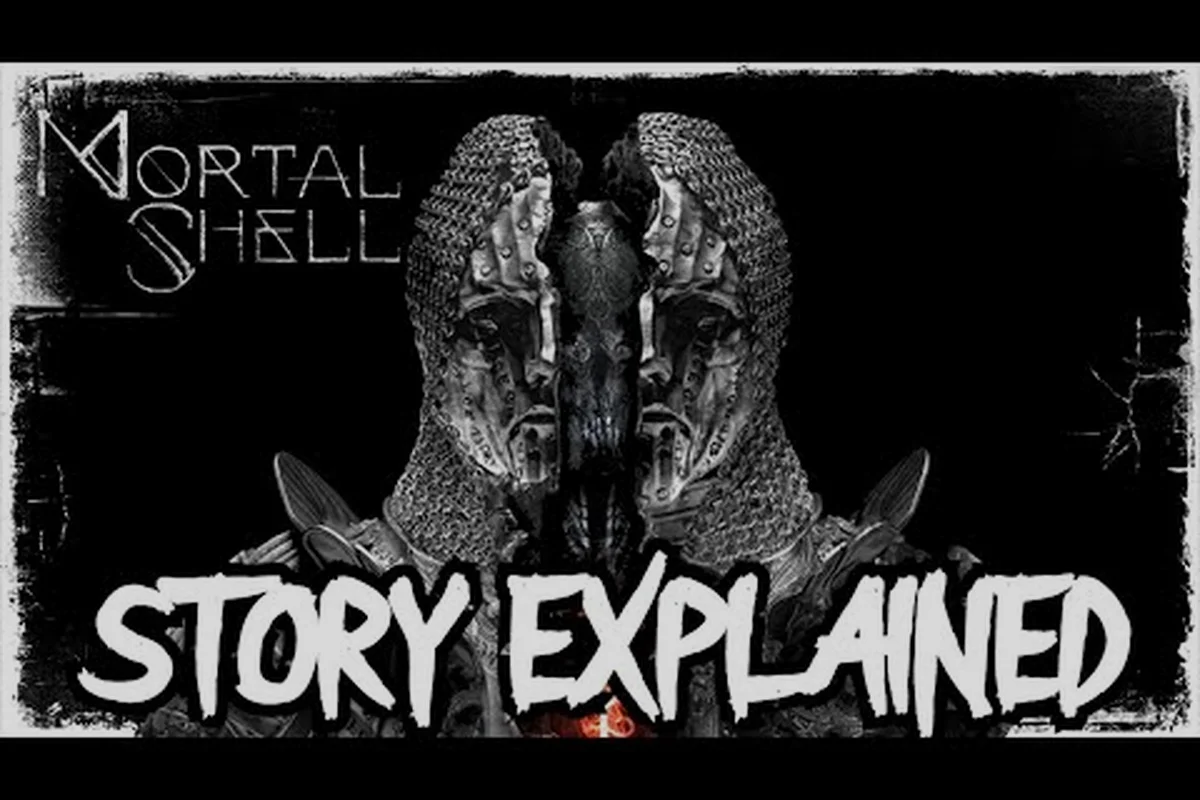
Mortal Shell II False Gods: Every Deity to Dethrone
Meet the Mortal Shell II false gods you must dethrone: each deity's domain, followers, and boss role in the story, plus why they hold the stolen Ova.

Mortal Shell II Sequel Story: After the First Game
How the Mortal Shell II sequel story connects to the 2020 original: returning themes, shell possession, Fallgrim's legacy, and what changed.
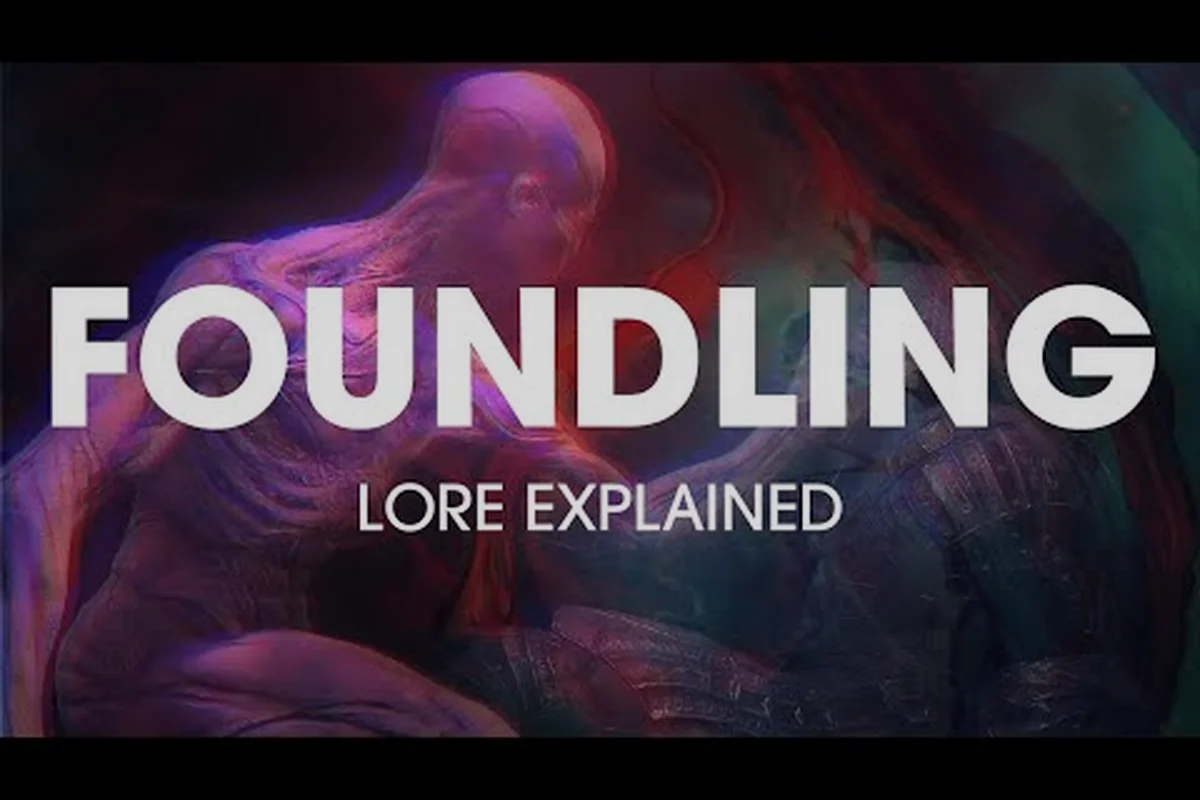
Mortal Shell II Tar Explained: Currency, Drug, Worship
Mortal Shell II Tar explained: how the substance works as currency, drug, and worship object, where True Nektar comes from, and Fallgrim's economy.
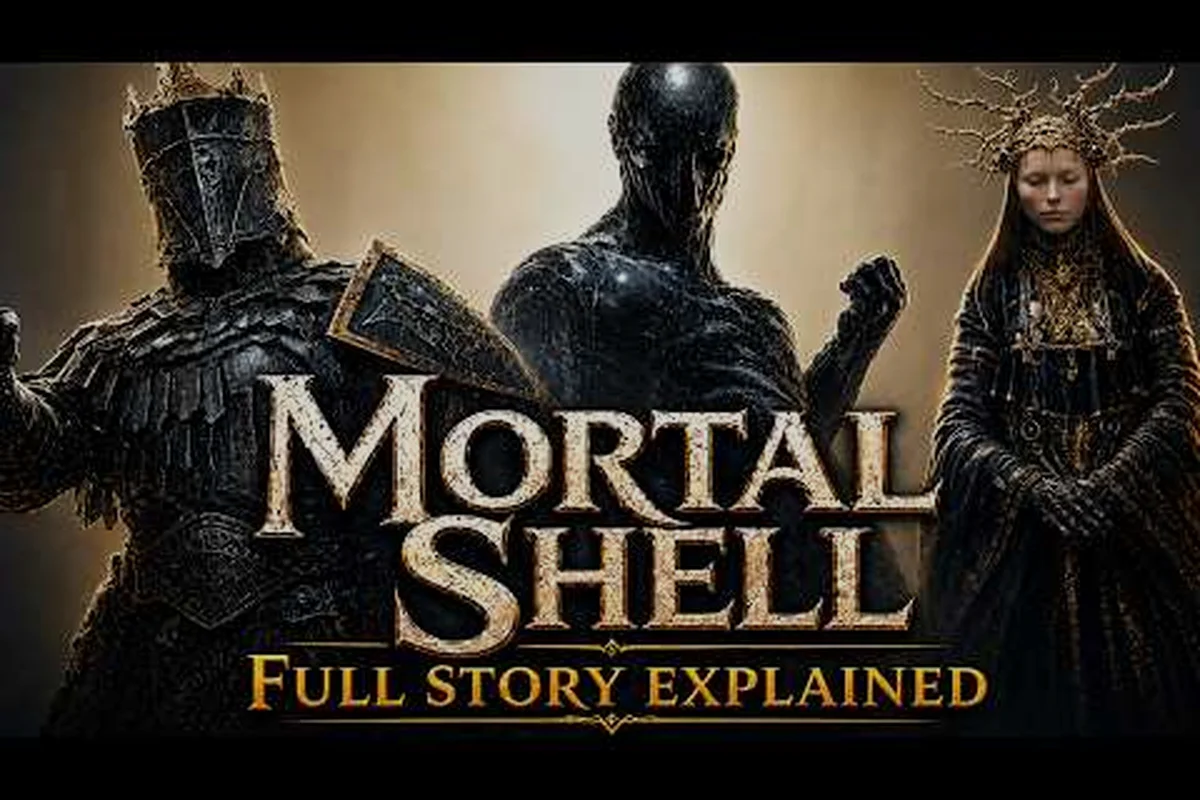
Mortal Shell II The Harbinger: Prophecy, Powers, and Lore
Everything about the Mortal Shell II Harbinger: the prophesied being, their connection to the Ova, the abilities they wield, and the Unfound Path.